
Album Review — Nada UV by Emerson Dameron
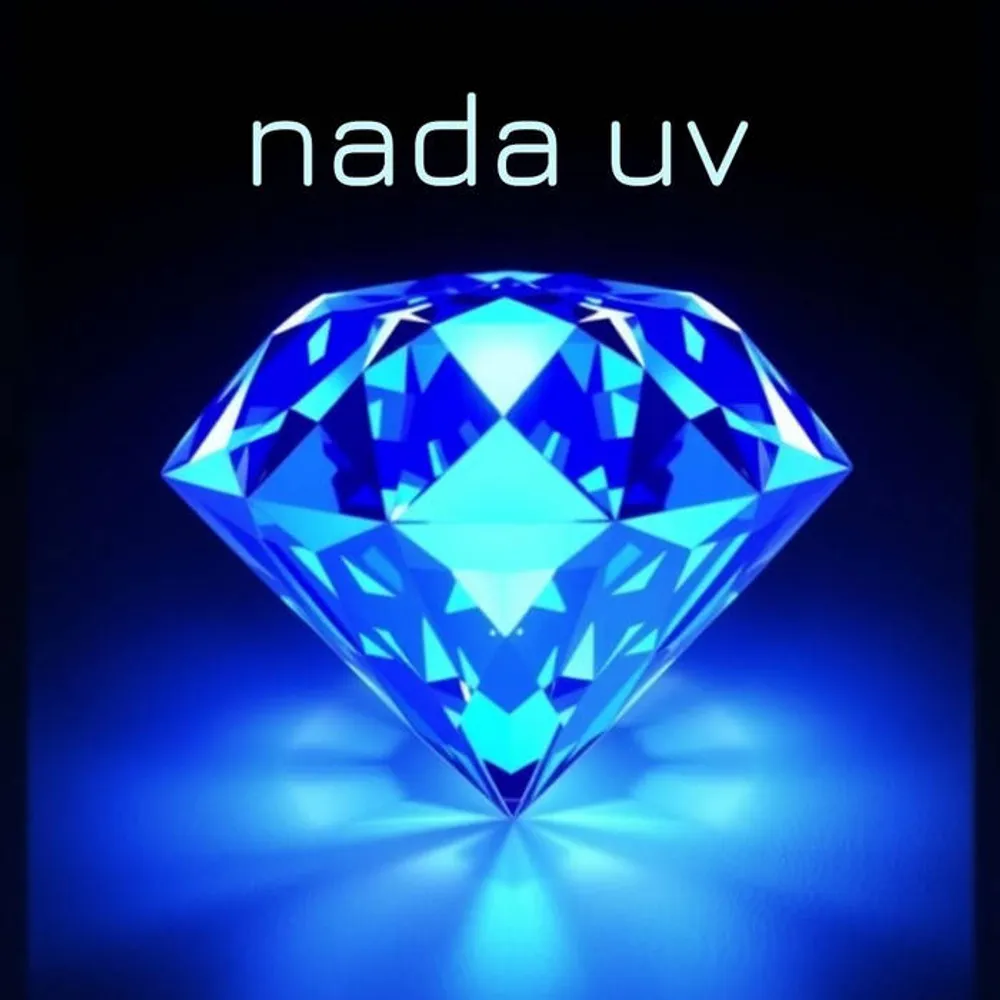
Album Review — Nada UV by Emerson Dameron
Written By: Dan Eachus
Release Date: July 23, 2025
Genre: Dream Pop · Synth Pop · Vaporwave Crossover · Post-Internet Shoegaze
Introduction
There are albums that feel like collections of songs, and then there are albums that feel like places. Nada UV falls definitively into the latter category. Emerson Dameron has crafted a record that doesn’t just play through your speakers — it materializes around you like a fog creeping in under a doorframe. It’s cinematic, sensual, and strangely intimate, the kind of music that blurs the line between memory and dream until you can’t tell which is which. If dream pop is the aesthetic of longing, and vaporwave is the aesthetic of fading, Nada UV binds them together into something that feels like a whispered confession in a motel hallway.
Tagged as Dream Pop, Synth Pop, Vaporwave Crossover, and Post-Internet Shoegaze, the album sits comfortably in conversation with artists like Cocteau Twins, Beach House, Fever Ray, SALEM, Lana Del Rey, and FKA twigs — yet it never imitates them. Dameron’s approach is more like a séance than a genre exercise. He summons familiar textures but rearranges them into something wounded, glamorous, and unmistakably modern. It’s pop noir for the hyper-online romantic, love songs for people who feel too much and say too little.
From the first few seconds, Nada UV announces its world: glowing synth pads, soft-impact percussion, bass that thumps like a pulse trying to hide its anxiety, and vocals that feel like they’re being delivered from inches away — a warm breath against your ear, even when the lyrics hint at danger. Dameron calls this album “the sound of a gloved hand on your shoulder,” and that description is almost too perfect. You can feel the presence, but you can’t quite trust it.
Don’t Call (Just Think of Me)
One of the album’s core highlights, is the 5th track in the album and sets a very emotional tone. “Don’t Call (Just Think of Me)” is a hypnotic love song for the anxious and the avoidant alike, equal parts seduction and self-protection. The production is crisp and uncluttered, riding a clean bassline and a hook so simple it almost feels dangerous. The restraint is what makes it devastating. Dameron never oversells the emotion — instead, he lets the tension simmer, leaving the listener suspended in a kind of emotional purgatory. It’s the sort of song you pretend doesn’t hurt until you hear it alone at night.
Kiss Me Where It Hurts Most
With “Kiss Me Where It Hurts Most,” Dameron shifts into a slow-burn surrender that blends city pop gloss with vapor-lit longing. The synths shimmer like neon reflections on wet pavement. There’s a softness in the vocals, but it’s a softness sharpened by resignation — as if the speaker knows exactly what they’re giving into but chooses it anyway. It’s the sound of two people circling each other in a dim room, trying to decide whether the kiss is a beginning or an ending.
Already Here
One of the emotional tent poles of the album, “Already Here” is all velvet menace and seductive confidence. The track feels dangerous in the most inviting way — a velvet rope pulled aside, a whispered invitation you know you shouldn’t accept. Dameron blends dark pop with a post-internet gloss, creating a song that’s half threat, half promise. The vocals are smoldering, almost conspiratorial, as though the entire song is leaning in close to tell you a secret. It’s magnetic and unsettling, which is precisely what makes it so effective.
Pink Bruises Under Onion Skin
“Pink Bruises Under Onion Skin” is perhaps the most quietly subversive track on the album. Elegant on the surface, but lyrically and tonally rooted in our darker urges, it drapes its themes in gorgeous synth pads and drifting harmonies. There’s beauty here, but there’s bruise-colored darkness underneath it, the kind you only reveal to people who’ve seen you at your most unguarded. The track floats, but it also lingers — its emotional fingerprints remain on you long after it ends.
I Like the Fizz
A welcome stylistic curveball, “I Like the Fizz” injects exuberance into an album otherwise steeped in shadows and longing. Imagine Nancy Sinatra stumbling into a vaporwave champagne bar — a vintage pop strut wrapped in digital shimmer. Dameron’s lyrical delivery has a playful gab to it, like someone telling a flirty inside joke you only half understand but grin at anyway. It’s bubbly, nostalgic, and fun, serving as a reminder that sensuality doesn’t always have to be serious or sorrowful. Sometimes it really is just about the fizz.
Whispers of the Night
“Whispers of the Night” fits perfectly into the album’s cinematic nocturnal palette. The songwriting feels like a late-night voicemail you accidentally save because deleting it would feel too final. Swirling synth clusters, hushed vocals, and a rhythm that floats just out of reach combine to create an atmosphere that’s beautifully eerie. It’s a track built entirely out of shadows and soft light — whispered but unforgettable.
The World of Nada UV
Across its full runtime, Nada UV conjures a sonic aesthetic that feels both vintage and alien. The production blends cracked R&B textures with shoegaze shimmer, post-internet atmosphere, and the hazy, dissolving edges of vaporwave. The result is a record that feels like a dream you can’t fully remember — but can’t forget, either.
Dameron excels at creating songs that feel like scenes. You can picture the neon motel sign flickering outside the window. You can imagine the midnight swimming pool shivering under a single light. The vocals drift between tenderness and cold detachment, never fully giving themselves away but making you lean in closer each time.
Thematically, Nada UV obsesses over intimacy, desire, secrecy, and the blurry emotional spaces where one lover becomes a memory. It’s a haunted lounge act for dark romantics — for people who fall in love with ghosts or people who wish they could. It’s sensual without being explicit, nostalgic without being derivative, and emotionally sharp without being melodramatic.
Final Thoughts
Emerson Dameron’s Nada UV is a slow-burn cinematic cloud-pop experience, a vapor-kissed dreamscape full of dimly lit emotional corridors and whispered hooks that cling to you long after the music stops. It’s steamy, dreamy, and unapologetically noir — the kind of record that doesn’t simply want to be played but inhabited.
Romantic yet damaged, elegant yet dangerous, nostalgic yet unmistakably modern, Nada UV stands as a beautifully cohesive work of post-internet pop craftsmanship. Dameron isn’t just building songs — he’s building environments, memories, moods, and ghosts.
This is an album you don’t just listen to.
You slip into it.
And once you’re inside, you may not want to leave.
You can listen to the entire album and purchase the vinyl here on Bandcamp:
https://emersondameron.bandcamp.com/album/nada-uv